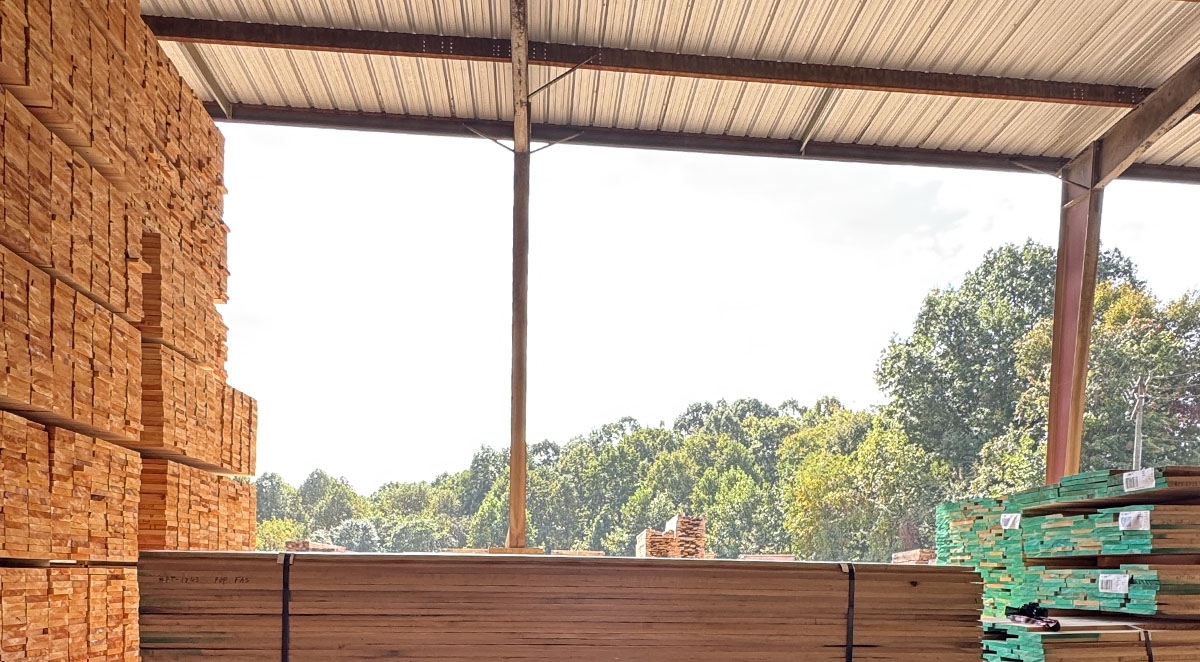
Manufacturers, cabinetmakers, and carpenters alike all know the importance of smooth, dimensionally accurate lumber. Without quality lumber, the final product may suffer, and woodworkers end up spending more time processing the wood to get the fit and finish that they need to complete a project. This extra processing wastes valuable time and can introduce quite a bit of waste.
This is where the planer mill comes in. Planer mills are a vital part of the lumber mill. They ensure that wood delivered to customers is straight, dimensionally accurate, and requires little finish work. Smooth, dimensionally accurate lumber is much easier to use in projects, takes stains and paint far better, and is easy to store and sort.
While many people associate planing with simply creating a smooth surface, there are plenty of other benefits that come from wood that has been treated at the planer mill. Planer mills improve dimensional consistency across runs, which makes production efficient. It also improves storage, shipping, and logistics.
In this article, we will discuss several things that you may or may not have known about planer mills.
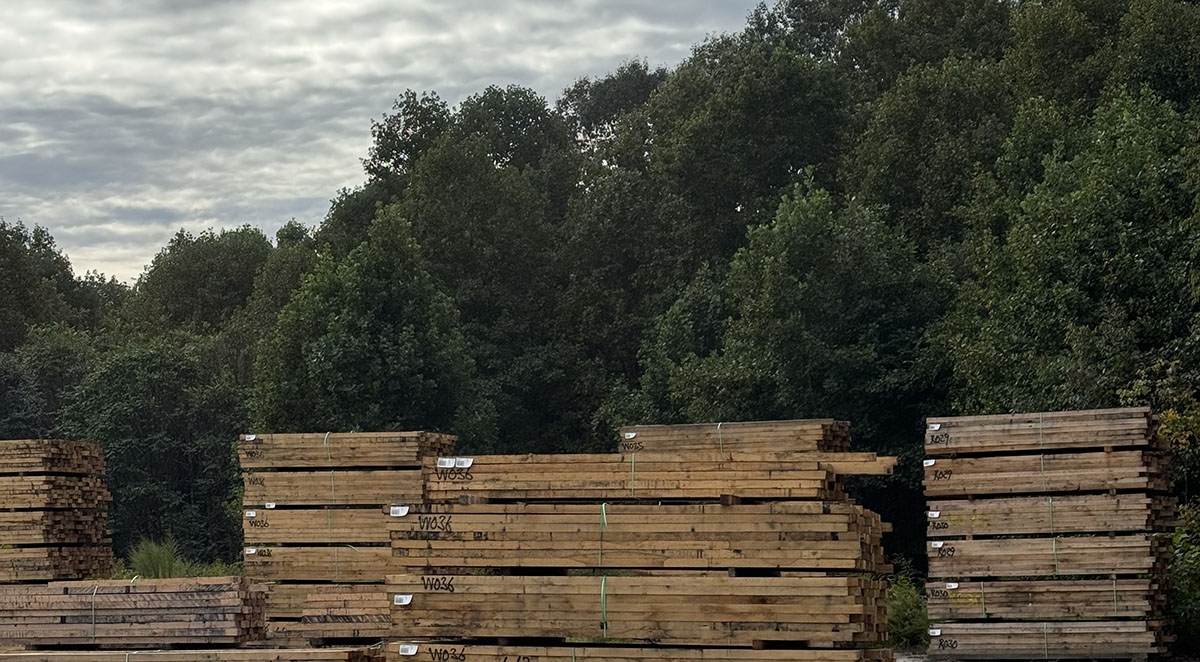
From cabinet makers to home builders and everything in between, ready-to-use lumber is extremely important. While sawmills cut lumber down to rough dimensions, the planer mill is where things really come together for manufacturers and contractors.
Planer mills improve the lumber's appearance and usability while also achieving precise dimensions. This improves the fit and finish of any project that uses lumber. In addition to preparing lumber for downstream processing, it can also create important operational benefits beyond the manufacturing process. In fact, properly finished lumber can simplify logistics, improve shipping efficiency, and make storage of lumber more organized for suppliers, manufacturers, and customers.
In this article, we will delve into the many benefits of lumber that has been processed by a planer mill and how it goes beyond the simple fit and finish.
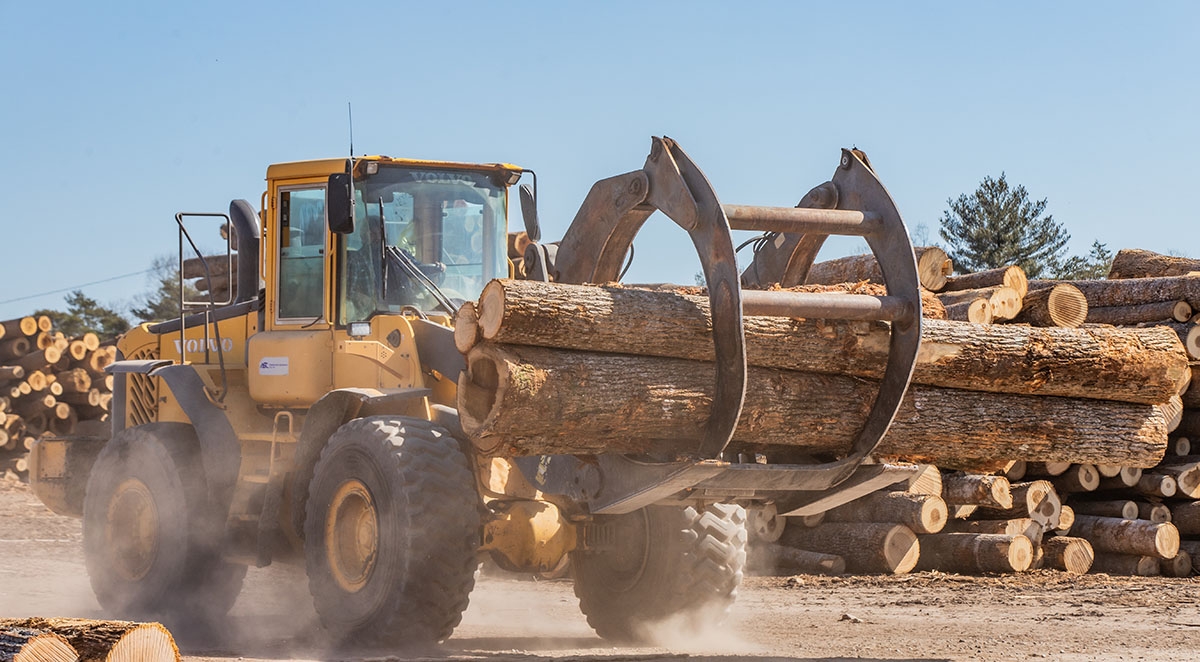
If there is anything that contractors know about construction jobs, it is that there are at least a million moving parts, or so it seems. From framing to plumbing to finish work, and everything in between, construction is a complicated process. One of the most satisfying stages of construction is finish work and millwork, which really shows the coming together of a construction project.
Millwork, especially, is satisfying due to its tidying up of edges and joints, as well as finishing touches such as built-ins and architectural features. Millwork showcases finesse, whereas much of a construction project is unseen or less aesthetic.
Choosing the right wood for custom millwork is extremely valuable and should be one of the first decisions made when planning out the visible elements of a build. Join us as we explore the impact that quality Appalachian hardwood can have on a construction project when it is used in custom millwork.
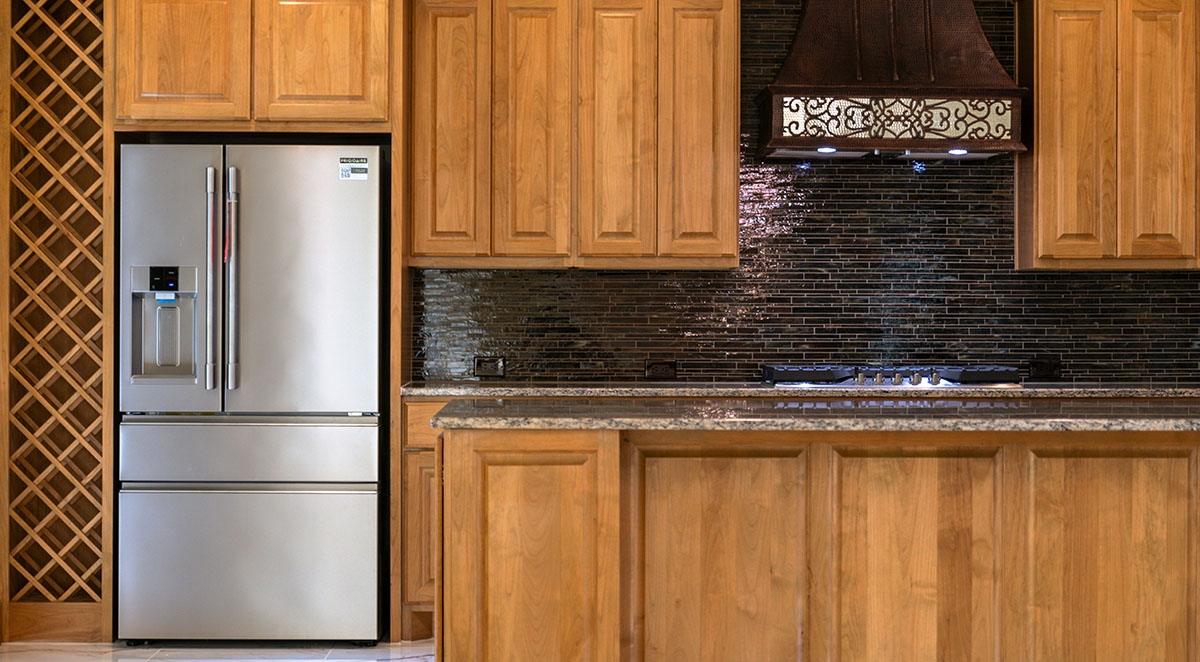
Cabinet manufacturers around the world have been sourcing high-quality lumber for their projects for decades. Whether it be cherry, walnut, white oak, or exotic woods from around the world, more often than not, this wood has come out of a planer mill before it lands at the manufacturer's doorstep.
Planer mills are an extremely important part of the milling process, especially for manufacturers who need ready-to-use wood products and require tight sizing tolerances and finished surfaces. Wood from the planer mill is a key material that improves efficiency, quality, and a finished appearance without needing to process it further. Cabinet manufacturers rely on properly surfaced hardwoods to reduce labor and waste while also streamlining production and ensuring a top-notch finished product.
In this article, we will explore how lumber from the planer mill can help cabinet manufacturers achieve showroom-ready cabinets with little additional treatment.